Fukido River Mangrove Adventure on Ishigaki Island, Okinawa, Japan — A Local's Complete Guide to Kayaking, Creature-Spotting & Insider Tips
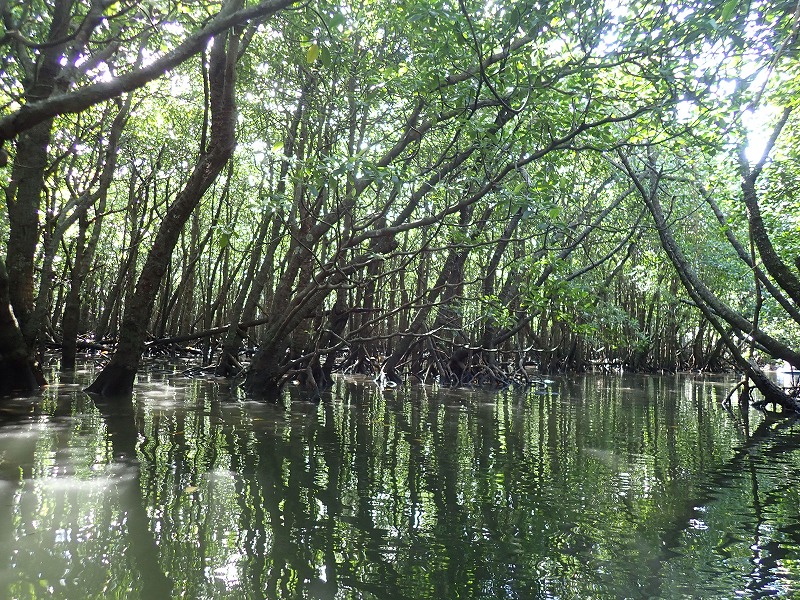
Fukido River (Fukidō-gawa) flows through the Nosoko district in northern Ishigaki Island, part of the Yaeyama Islands in Okinawa, Japan. Designated a natural monument by Ishigaki City and listed among Japan's "500 Important Wetlands," it's one of the island's premier mangrove destinations.
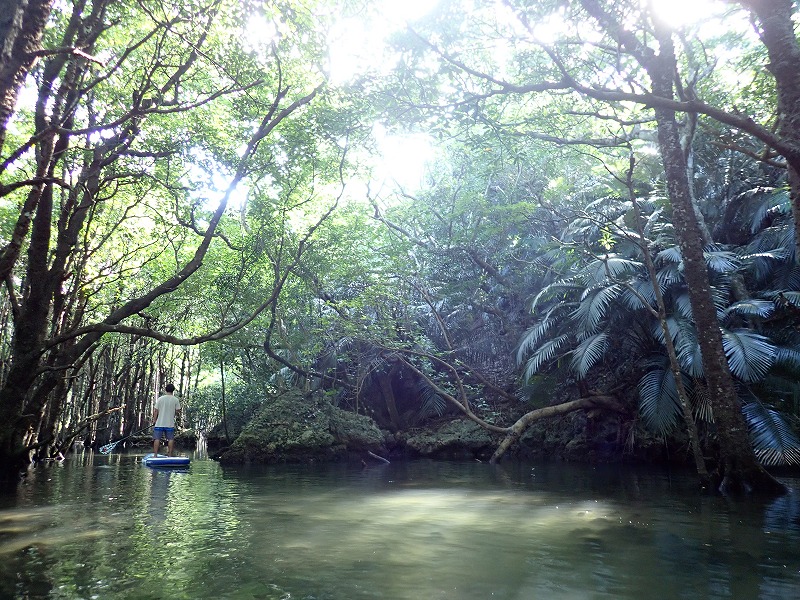 Deep inside the mangrove forest — an almost mystical atmosphere
When people think of mangroves on Ishigaki, the Miyara River and Nagura Anparu usually come to mind first. But if the Miyara River is a "grand waterway," Fukido River is an "intricate maze". Ducking through tangled mangrove tunnels and observing Rhizophora seedlings in dappled sunlight, you feel as though you've stumbled into a real jungle — the kind of off-the-beaten-path experience that feeds genuine adventure.
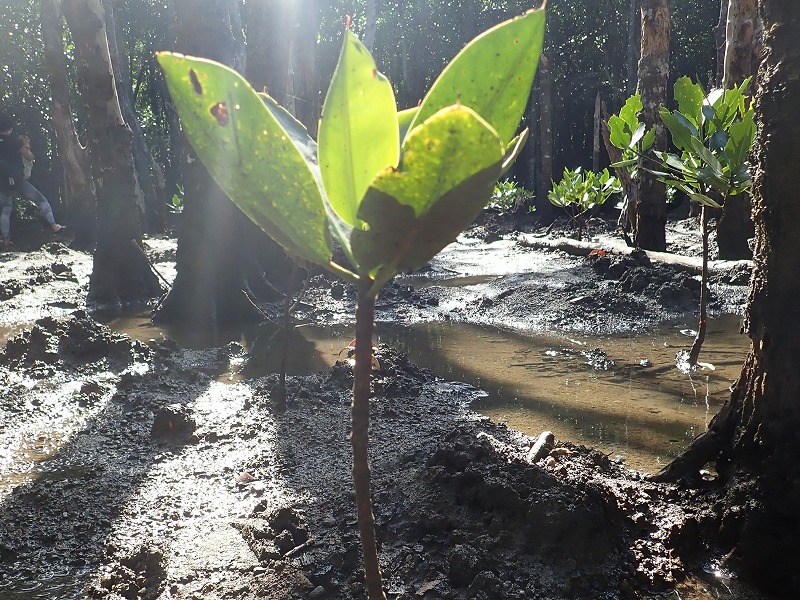 Rhizophora (Hirugii) seedling
In this guide, I — a father of two living on Ishigaki Island — share the real-world, insider knowledge you need to enjoy Fukido River to the fullest — the stuff no standard guidebook covers.
Two Faces of the River: How the Tide Changes Everything
The experience at Fukido River transforms completely depending on the tide. Time your visit according to what you want to do.
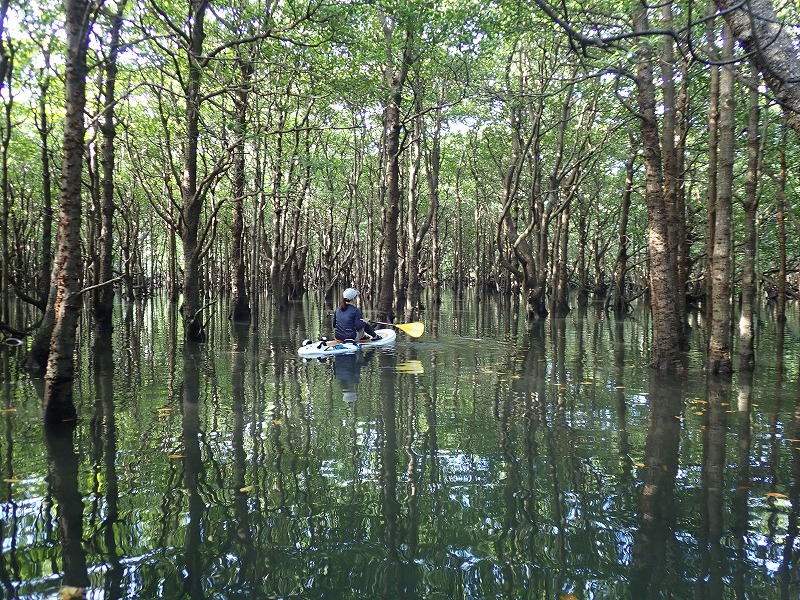
Want to kayak through mangrove tunnels? Come at high tide
When the water level rises, you can paddle a kayak or SUP deep into the narrow inner channels. This is the way to go for the full jungle-immersion experience.
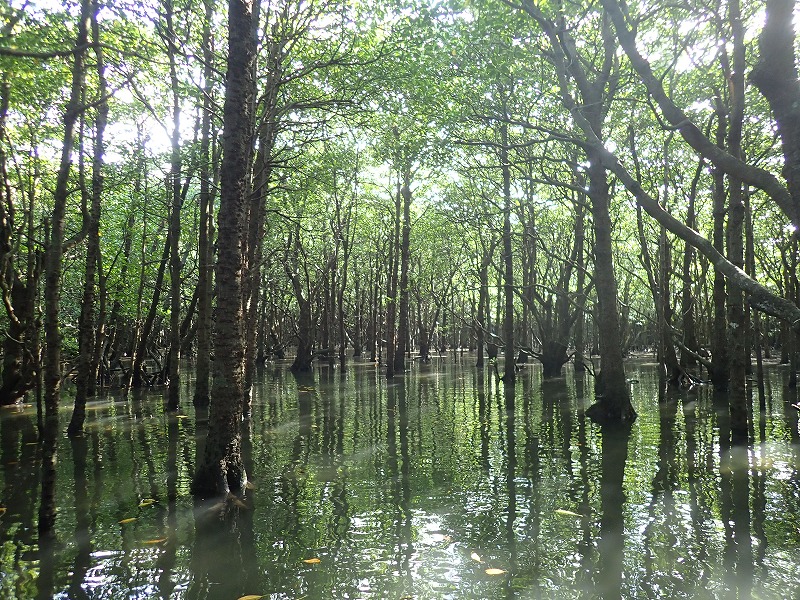 Mangrove forest along Fukido River
Want to spot mud-flat creatures? Come at low tide
When the tide recedes, you can walk straight down from the bridge onto the exposed mud flats. Fiddler crabs, mudskippers (locally called "tonton-mii"), and soldier crabs emerge everywhere. The water is so shallow that, with a bit of luck, you might spot a swimming crab (gazami) walking along the bottom.
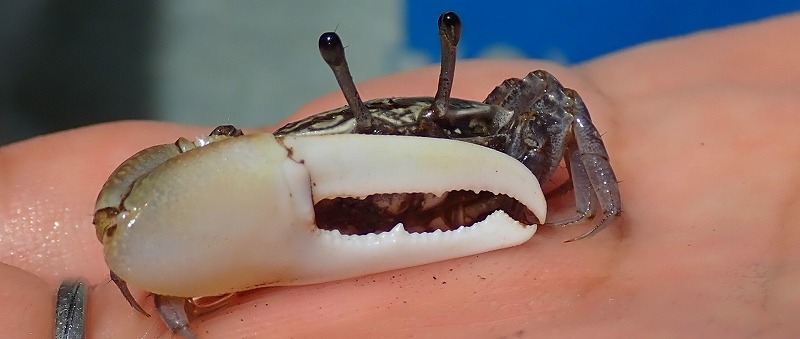 Fiddler crab
Essential: No Running Water! The "2-Liter Rule" for Mud Cleanup
This is the single most important practical warning — and the reason I, as a local, feel compelled to stress it: there is no tap water or shower at the site to wash off mud.
The Fukido mud flats can swallow your feet up to the ankle — sometimes the calf — without warning. Even if you tread carefully, there are hidden soft spots that act like traps, and avoiding them is virtually impossible. And the mud, rich in mangrove nutrients, has a very pungent smell.
Getting into your rental car in that state is simply not an option. Prepare the following without fail:
1. Bring fresh water
If you plan to explore the mud flats seriously, keep one 2-liter bottle of fresh water per person in the car. Rinse off the worst of the mud in the sea first, then do a final wash at the parking area before changing clothes.
2. Wear clothes and shoes you don't mind ruining
Water shoes or old sandals, plus shorts are the standard. White sneakers will end in tears.
Guided Tour or DIY Exploration?
You might be wondering: "Can I just show up and explore on my own?"
If you simply want to climb down from the bridge at low tide and observe creatures on the mud flats, self-guided exploration works perfectly well.
However, if you want to paddle deep into the mangrove interior by kayak or SUP, or trek upstream to Yabiku Falls, I strongly recommend joining a guided tour. (Side note: the trailhead for Yabiku Falls is often confused with this location — it's actually a different access point.)
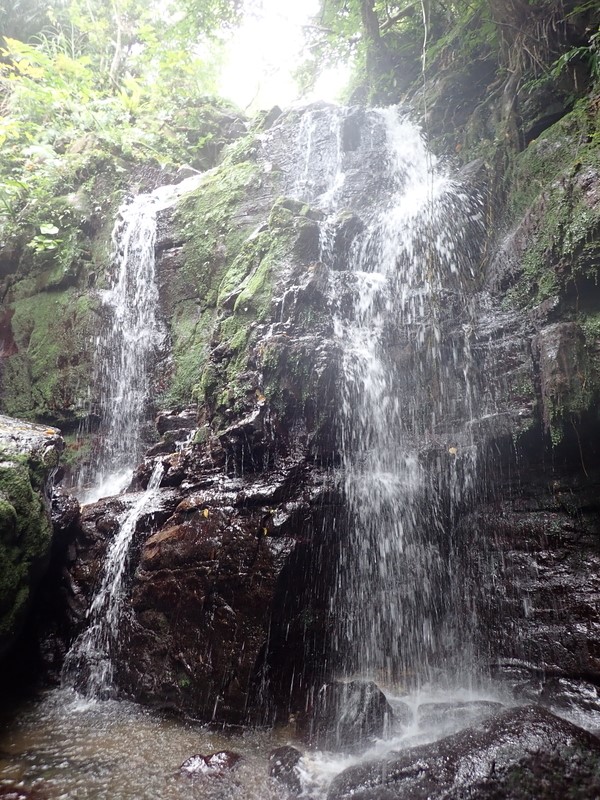
Yabiku Falls on Ishigaki Island — How to Find This Unmapped Waterfall + Adventure Report
The entrance isn't on Google Maps. Slippery-rock strategy, the real trail, and where to eat nearby.
As of 2026, kayak and trekking tours on Fukido River are hugely popular, with many operators running trips. Some accept bookings the day before — or even on the same day, so if tomorrow's schedule suddenly opens up, it's always worth checking availability.
Detour Route: Where to Go After Fukido River
After a full session at Fukido River, when hunger strikes, the local move is to drive a few minutes to "Kitchen Misaki". It serves hearty local fare like Yaeyama soba and goat soup — authentic, stamina-building island food.
If you head back a short way toward town along Prefectural Route 79, there's a hidden path leading down to the coast. There you'll find a handmade "seaside swing" built by locals — a picture-perfect photo spot. (Detailed directions to the swing are in a separate article.)
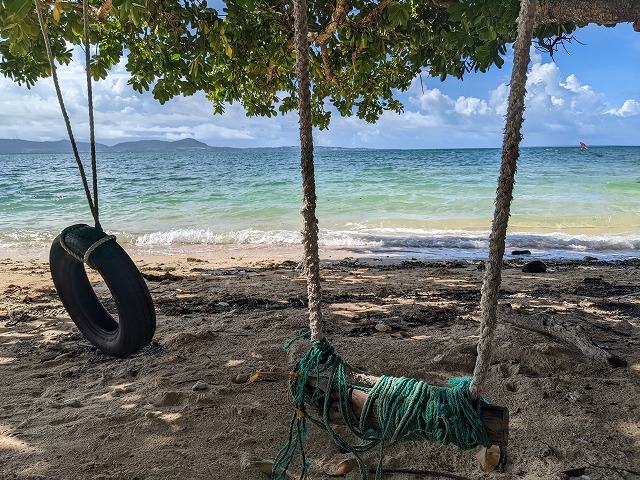
7 Secret Seaside Swings on Ishigaki Island — Hidden Beaches Where You Melt into Sea and Sky
Stunning ocean swings that even social media hasn't fully discovered. A local guide reveals the best seats on the island.
Fukido River remains one of Ishigaki's most unspoiled natural treasures. Come experience the island's deep, wild side for yourself.
Fukido River — Practical Information
Screenshot-worthy essentials for your visit:
| Address | Nosoko – Itona, Ishigaki City, Okinawa 907-0333 (near Fukido Bridge on Prefectural Route 79) |
|---|---|
| Map Code | 553 087 720*82 |
| Access | ~25 min by car from New Ishigaki Airport; ~35 min from the Rito Ferry Terminal |
| Facilities | **No tap water, no showers**, no restrooms, no vending machines |
| Parking | Free lot at the foot of Fukido Bridge |
| Crowding / Booking (as of 2026) | The parking lot fills up when tour groups arrive at the same time — plan accordingly. Kayak tours often accept same-day or next-day bookings. |
There are no restrooms nearby. Use facilities in downtown Ishigaki or the Ibaruma area before heading out — this is non-negotiable.
Getting to Ishigaki Island is easier than ever, with direct flights from Tokyo, Osaka, and other major cities. Search for the best fares below:

Related Articles
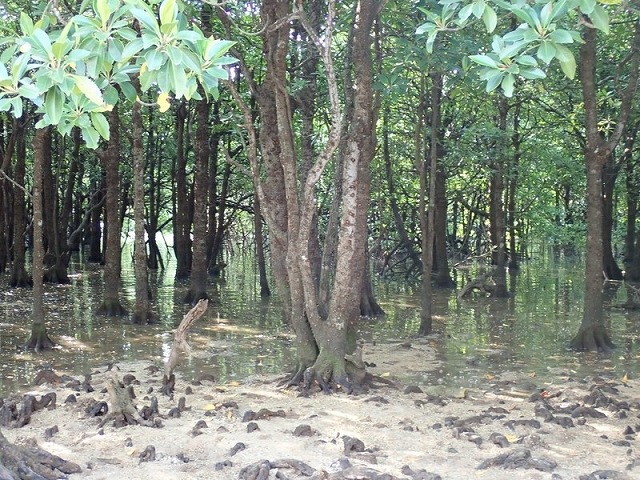
Miyara River Mangrove SUP on Ishigaki Island — Paddle Through a Jungle of National-Monument Mangroves
Explore the nationally protected Miyara River Hirugii forest by SUP. Mangrove tunnels, hidden caves, and real timing tips.

