Tojinbaka (Chinese Tomb) on Ishigaki Island, Okinawa, Japan — A Tragic History, a Brand-New "4× Larger" Tomb & the Best Brown Sugar You'll Ever Taste
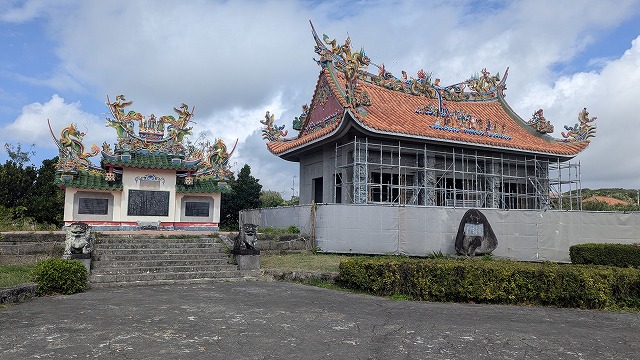 The original Tojinbaka and the new tomb under construction
Hello — I'm the editor-in-chief of Churamichi, an Ishigaki Island travel media outlet, and a dad of two living on the island.
Driving along Ishigaki's west coast through the Arakawa / Kannonsaki area, a burst of vivid, almost psychedelic color suddenly fills your windshield. This is Tojinbaka — the "Chinese Tomb."
It's a place with an atmosphere quite unlike the blue seas and lush greenery Ishigaki Island is typically known for. In this guide, I share the real, 2026 state of Tojinbaka that no guidebook covers — along with the smartest way to visit for anyone interested in history and culture.
1. Best Visited as a Quick Stop on a Driving Route
Let me be upfront: I don't recommend building your entire itinerary around this site alone. The visit itself takes about five minutes.
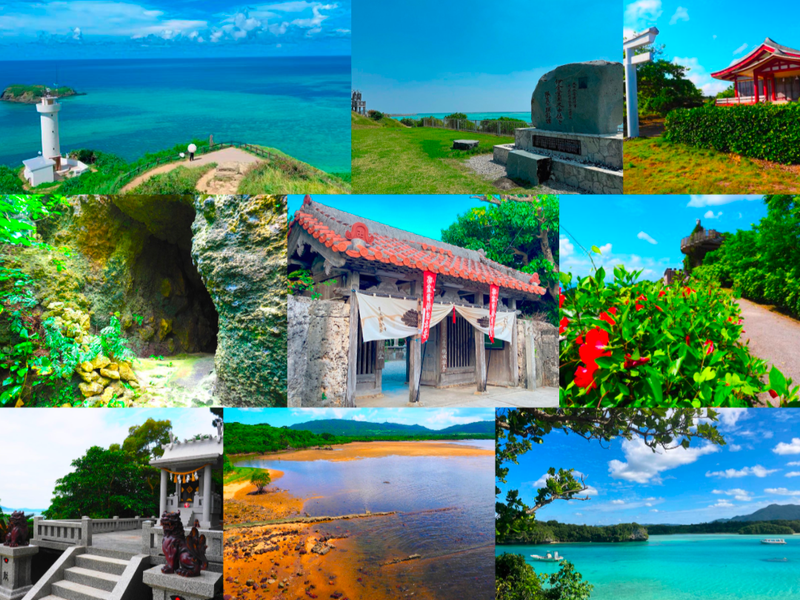
However, the Kannonsaki area where Tojinbaka sits is packed with attractions — Kannonsaki Lighthouse, Kannon Beach, Fusaki Beach, and Fusaki Kannon-do Temple — making it one of the most sightseeing-efficient zones on the island. Pull over during a drive, use the restroom, take a quick look — that's exactly the right pace for this place.
→ See nearby Kannonsaki-area spots below
Step out of the car and, despite the ocean being just meters away, you hear no waves — the reef is too far out. No shop noise reaches you either. All you hear is the wind, birdsong, and the occasional passing car. This silence is the authentic texture of Tojinbaka today.
2. Continental Color on a Farming Island
Tojinbaka was built in 1971 to honor the souls of Chinese laborers (coolies) who perished in the Robert Bowne Incident of 1852. Aboard a ship bound for America under conditions barely distinguishable from a slave vessel, the laborers revolted; the ship ran aground off Ishigaki, and the survivors were met with a brutal manhunt by their pursuers — a devastating tragedy.
Ishigaki Island has always been a place of sturdy agrarian culture. The vivid colors of the Ryukyu Kingdom seen at Shuri Castle on Okinawa's main island are almost entirely absent here. Yet at this site, red and green tiles, intricately carved dragons, and the bold palette of mainland China suddenly surround you.
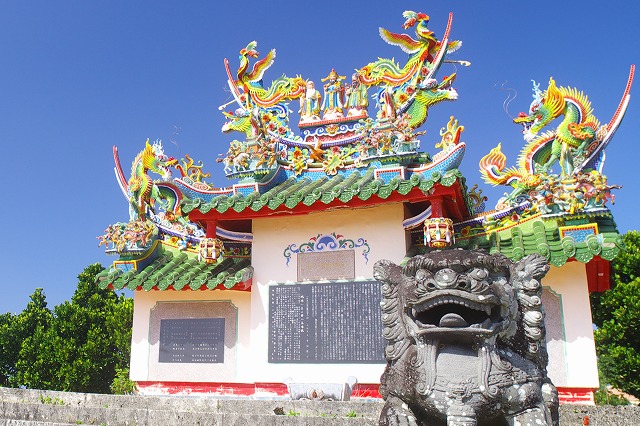 The original Tojinbaka
Standing here, you feel viscerally — through your eyes — that Ishigaki Island is geographically and culturally closer to Taiwan and mainland China than it is to Okinawa's main island.
3. 2026 Update: The "4× Larger" New Tomb Next Door
What surprises visitors most right now is that directly beside the original Tojinbaka, a massive new tomb roughly four times the size has been constructed.
The original and the new tomb side by side
As of 2026, it hasn't fully opened to the public, but the exterior is essentially complete.
The old tomb, its colors gently faded by decades of UV and salt air, has settled into the landscape. Right next to it, the new tomb radiates overwhelming mass and fresh, vivid polychrome. This old-versus-new contrast has a surreal quality that no outdated travel article on the internet can convey. The giant monument sitting silently on the hilltop feels as if it's trying to overwrite the weight of history with sheer physical scale.
4. Escape the Sun — and Discover Incredible "Nabezoko" Brown Sugar
After viewing the shadeless Tojinbaka under Okinawa's merciless sun, your feet will naturally carry you to the adjacent shop — "Bussan Center Ishigaki" — in search of shelter.
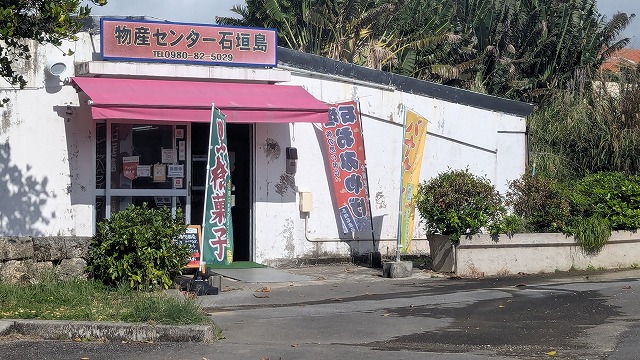 The souvenir shop beside Tojinbaka
This shop stocks a far more "deep-cut" selection than the polished souvenir stores on Euglena Mall downtown. The standout item: a whole, unbroken slab of pure sugarcane brown sugar — called "nabezoko kokutō" (pot-bottom brown sugar).
It's nothing like the rock-hard, machine-broken pieces you find in mainstream shops. Astonishingly moist, it crumbles softly on your tongue with a richness and ease that's in a completely different league. A deep, clean sweetness and minerals spread slowly — nothing revives a sun-beaten body quite like this. The shop also serves freshly pressed sugarcane juice.
An ornate, surreal tomb and a ruggedly delicious brown sugar. This contrast is yet another one-of-a-kind experience unique to this corner of the island.
A polychrome monument built in silence to mourn souls lost far from home. And beside it, a colossal new tomb quietly awaiting its moment.
Next time you're driving along Ishigaki's west coast, pull over for just five minutes. Feel the wind, take in the clash of colors, and taste the island's sugarcane bounty.
📱 Practical Info at a Glance
| Address | 1625-9 Arakawa, Ishigaki City, Okinawa (~15 min by car from downtown) |
|---|---|
| Hours | Open 24 hours (no closing days) |
| Admission | Free |
| Facilities | Free parking (20–30 spaces), Western-style restrooms, wheelchair ramp |
| Warning | **Absolutely no shade.** A parasol or hat is essential, especially in summer. |
| Crowding (2026) | Always quiet. Typically 1–2 groups at most; often you'll have it entirely to yourself. |
Getting to Ishigaki Island is easier than ever, with direct flights from Tokyo, Osaka, and other major cities:

Nearby Spots in the Kannonsaki Area
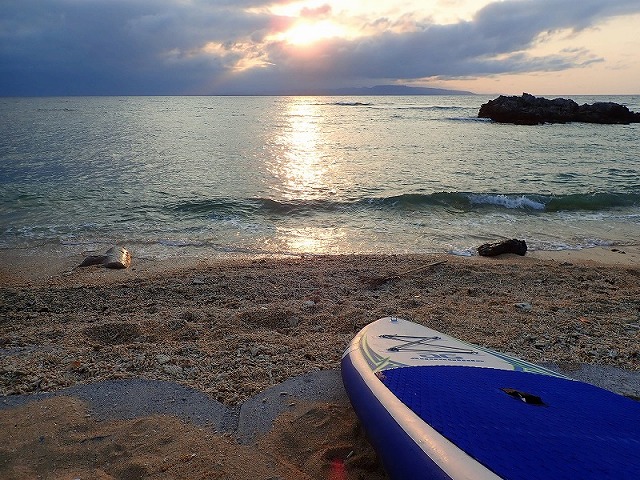
Kannon Beach on Ishigaki Island — A Quiet Sunset, a Secret Parking Spot & the Mystical Kannon-do Temple
A serene beach minutes from downtown. Hidden parking, and the power spot of Fusaki Kannon-do Temple next door.
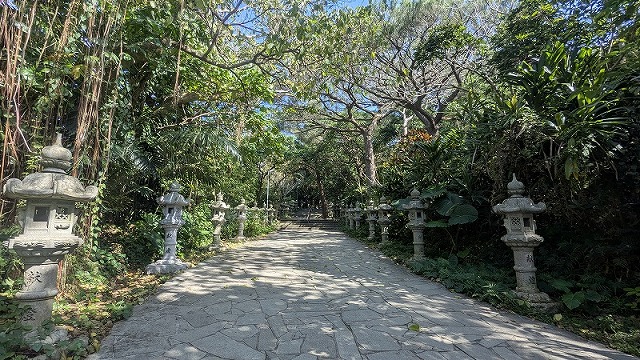
Fusaki Kannon-do Temple — An Effortlessly Accessible Healing Power Spot You Shouldn't Skip
A secret route that skips the long staircase, plus the panoramic view you must see after your visit.
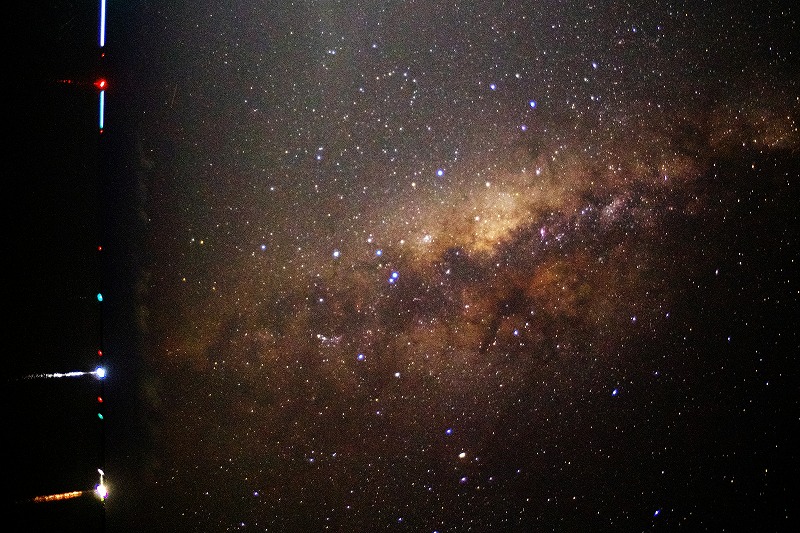
Ishigaki Island Stargazing Gallery — 4 Secret Spots to Lose Yourself in the Milky Way
A local's 4 favorite stargazing hideaways: Kannonsaki, Nagura Bridge, hidden Kabira, and Sakieda South Beach.

